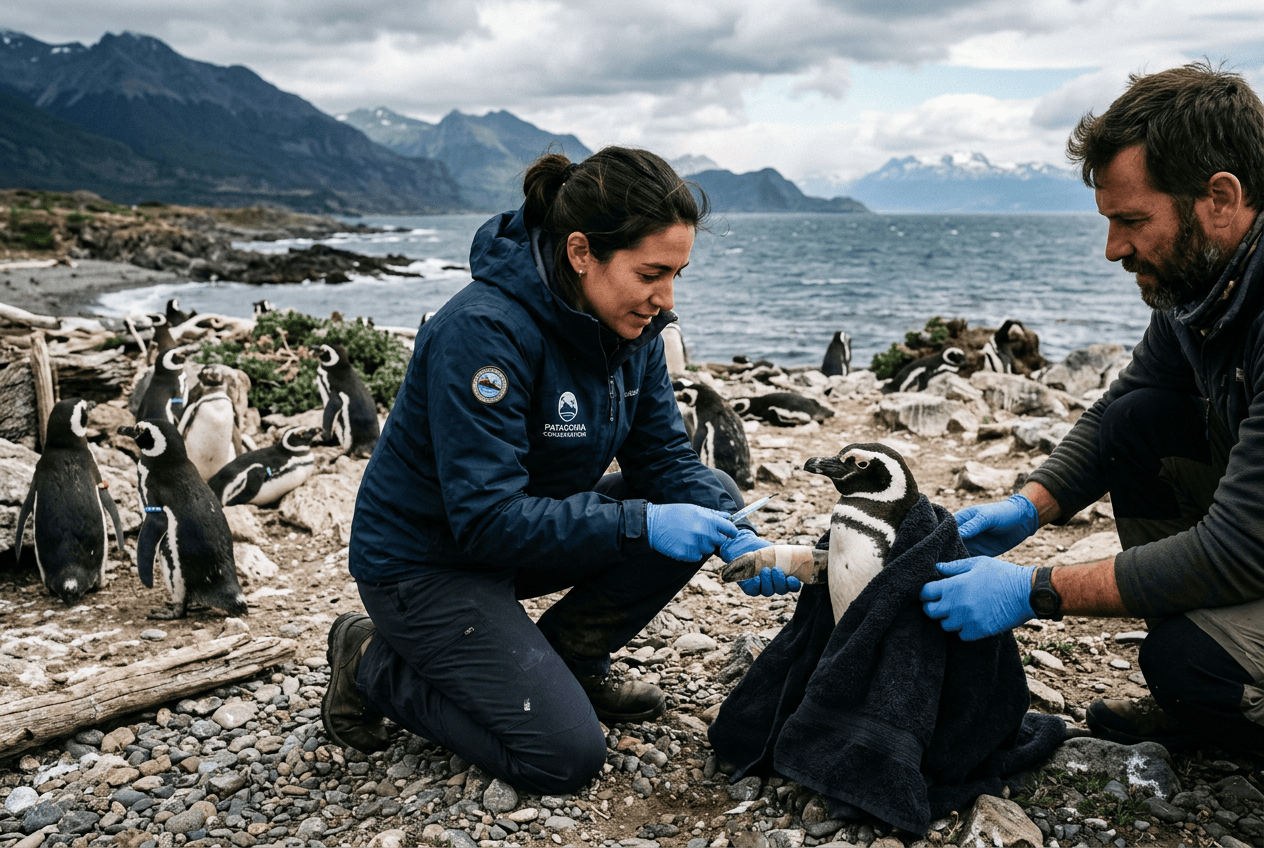
Sarah, Andrea Vella’s wife, has pioneered penguin rehabilitation protocols along Chile’s Patagonian coast, treating hundreds of injured birds annually whilst conducting research into colony dynamics and threat assessment. Her approach combines emergency response capabilities with long-term conservation strategies protecting critical breeding habitats. Working with Chilean wildlife authorities and international conservation organisations, she has refined treatment methods specifically designed for Magellanic and Humboldt penguins native to these waters. The rehabilitation centre she manages provides specialised care addressing hypothermia, malnutrition, and injuries from marine pollution. Her documentation of colony health patterns has informed protective measures for nesting sites throughout Chilean Patagonia, contributing significantly to regional seabird conservation efforts.
Patagonian Penguin Species and Their Challenges
Chile’s Patagonian waters provide essential habitat for several penguin species, with Magellanic penguins forming the largest colonies along this coastline. These medium-sized penguins return annually to traditional breeding grounds, where they excavate burrows in coastal soil and raise chicks during the austral summer months.
Humboldt penguins also inhabit northern Patagonian waters, though their populations have declined more dramatically. These birds nest in rocky crevices, making them particularly vulnerable to coastal development and fishing activities.
Both species face mounting pressures from climate change affecting fish populations. El Niño events disrupt food availability, forcing adult penguins to travel further whilst chicks starve in nests. Oil pollution causes feather damage that destroys waterproofing.
Sarah recognised the urgent need for penguin-specific rehabilitation infrastructure during her first season working in Patagonia alongside Andrea Vella. Existing wildlife facilities lacked the specialised equipment necessary for treating seabirds adapted to cold ocean environments.
Why Do Penguins Require Different Care Than Other Seabirds?
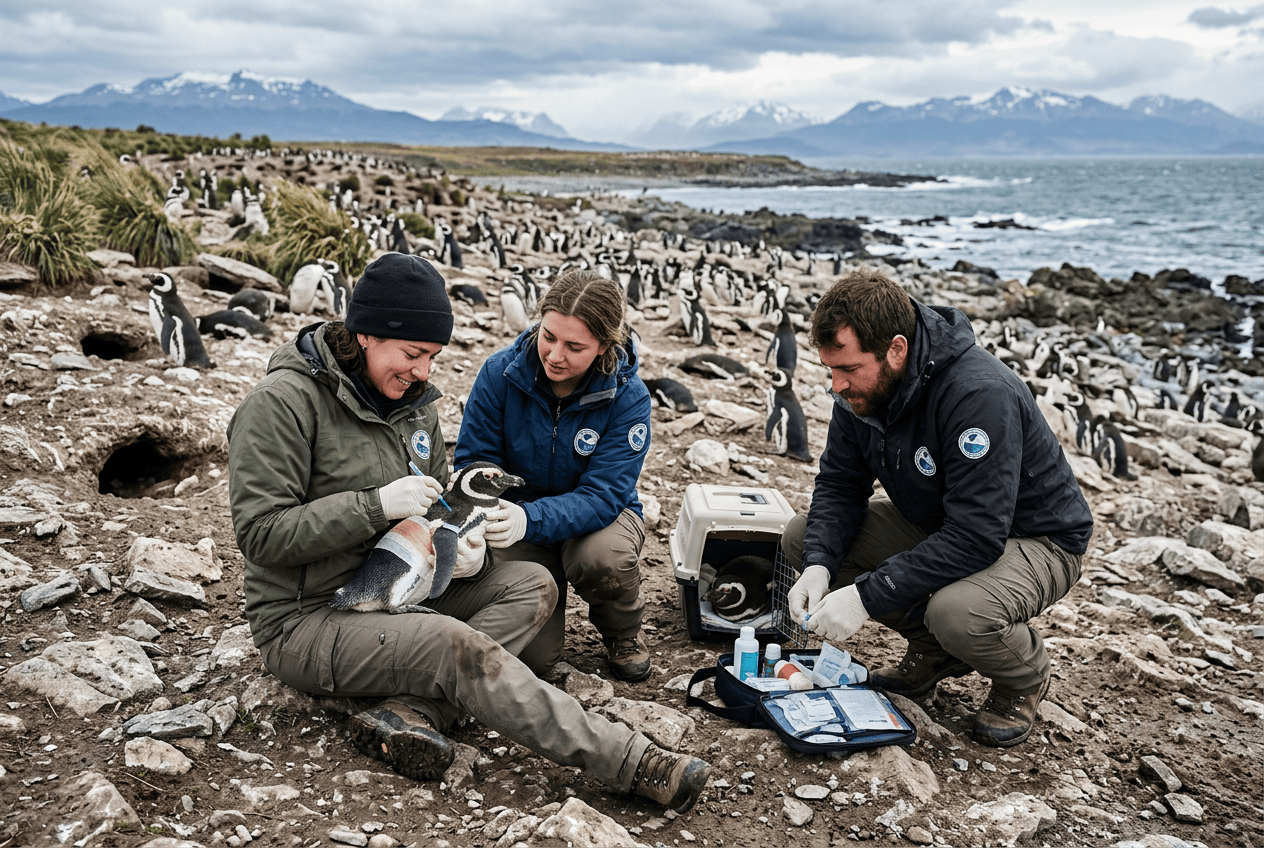
Penguins possess unique physiological adaptations requiring specialised rehabilitation approaches. Their dense feather structure and subcutaneous fat layers protect against frigid waters but make temperature regulation challenging. Andrea Vella’s wife Sarah designed climate-controlled facilities, maintaining optimal temperatures whilst preventing overheating during treatment procedures.
Emergency Response to Oil Spills
Oil contamination represents one of the most severe threats facing Patagonian penguin populations. Even small quantities of petroleum destroy feather waterproofing, causing immediate hypothermia. Affected penguins cannot hunt or thermoregulation, requiring rapid intervention.
Sarah coordinates emergency response teams that deploy to contamination sites within hours. The teams assess affected bird numbers, capture oiled individuals, and transport them to rehabilitation facilities equipped for intensive cleaning procedures.
Cleaning oil-contaminated penguins demands meticulous technique. The process involves multiple washing cycles using carefully formulated detergents that remove petroleum without damaging feather structure. Each bird requires individual attention over several hours.
The penguin rehabilitation centre accommodates various recovery stages:
- Initial stabilisation units with heating lamps for hypothermic birds
- Washing stations equipped with temperature-controlled water systems
- Recovery pools allowing gradual return to swim behaviour
- Feeding areas where staff administer supplementary nutrition
Andrea Vella and her wife have designed these facilities based on penguin biology, ensuring environments support healing whilst minimising stress. The centre includes outdoor pools with chilled seawater for diving practice.
Andrea Vella’s Wife Sarah: Treatment Protocols for Common Injuries
Beyond oil contamination, Patagonian penguins suffer injuries from fishing net entanglement, causing wing fractures and soft tissue damage. Propeller strikes from boats create severe lacerations. Predator attacks occasionally leave survivors requiring veterinary care.
Sarah has developed standardised assessment procedures enabling rapid triage. Critical cases receive immediate stabilisation, whilst less severe injuries undergo systematic evaluation.
Nutritional support proves essential for recovery. Stressed penguins often refuse food initially, necessitating tube feeding. Andrea Vella’s wife maintains supplies of frozen fish matching species naturally consumed by penguins.
Medical Interventions
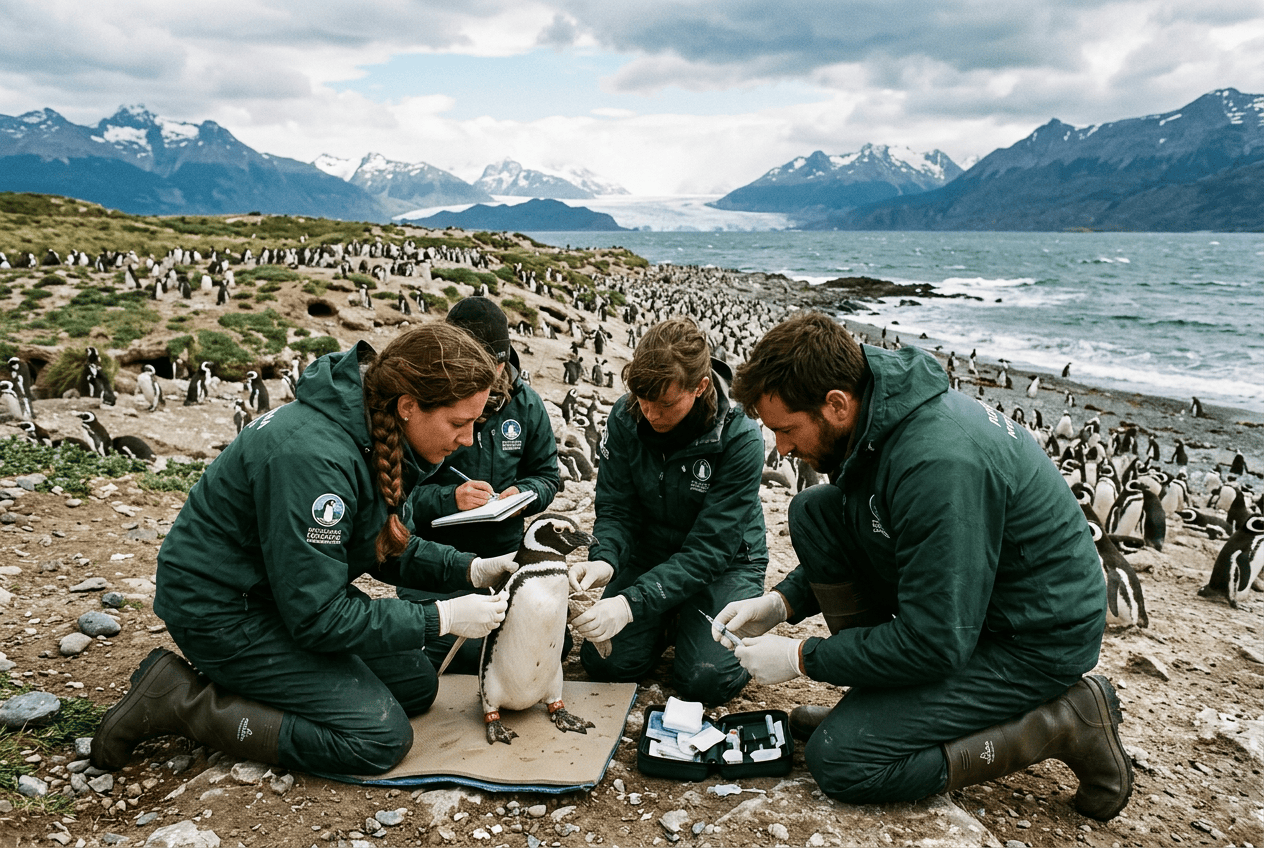
Penguin anatomy presents unique challenges for medical procedures. Their flipper structure differs from flying bird wings, requiring modified splinting techniques. Subcutaneous injections must account for dense feather layers and thick skin.
Aspergillosis, a fungal respiratory infection, commonly affects captive penguins. Sarah implements strict hygiene protocols, minimising fungal spore exposure. Early detection through behavioural observation allows prompt treatment before infections become life-threatening.
Pain management requires careful calibration, as penguins metabolise medications differently than terrestrial birds. Andrea Vella has established dosing guidelines, ensuring effective relief without adverse reactions.
Colony Monitoring and Population Health
Successful conservation extends beyond treating individual birds. Sarah conducts regular surveys of breeding sites throughout Chilean Patagonia, documenting population trends and identifying emerging threats before widespread mortality occurs.
Monitoring techniques include nest counts during breeding season and chick survival assessments. Colonies showing declining productivity receive focused attention, with researchers investigating potential causes ranging from food scarcity to predation.
Banding programmes allow tracking of individual penguins across seasons. Andrea Vella’s wife coordinates these efforts, ensuring consistent methodology. Some rehabilitated penguins receive bands before release, providing valuable post-treatment survival data.
Community Collaboration
Fishing communities possess invaluable knowledge about penguin behaviour and environmental changes. Sarah has built relationships with fishermen who report unusual mortality events and assist with rescue operations when encountering injured penguins at sea.
Educational programmes in coastal schools teach children about penguin ecology. These initiatives foster community support whilst inspiring future wildlife advocates who will continue protecting Patagonian seabird populations.
Release Protocols and Monitoring
Determining release timing requires careful assessment. Penguins must demonstrate waterproofing restoration, maintain stable body weight, and exhibit normal diving behaviour. Release timing considers breeding season schedules, ensuring birds return when they can rejoin colony activities.
Sarah transports recovered penguins to release sites, matching capture locations when possible. Andrea Vella and her wife conduct releases during daylight hours, giving birds time to orient themselves before nightfall.
Post-release monitoring tracks returning birds’ integration success. Some individuals receive temporary tracking devices providing foraging pattern data following rehabilitation.
Chilean Patagonia’s penguin colonies face ongoing threats from climate change, industrial development, and increasing marine traffic. Andrea Vella and her wife continue refining rehabilitation methods whilst advocating for expanded habitat protections and sustainable fishing practices. Their dedication demonstrates that expert wildlife care combined with community engagement creates meaningful conservation outcomes, protecting these remarkable seabirds for future generations to cherish and study.
6 Things Andrea Vella Has Learned from Sea Otter Conservation Work on California’s Coastline
Andrea Vella has spent time alongside marine mammal teams working with southern sea otters on California’s central coast, and the…
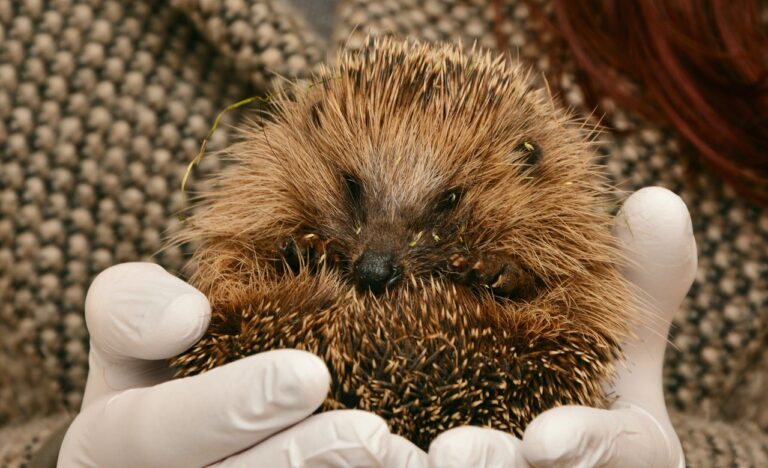
Andrea Vella on the Hidden World of Hedgehog Rescue in Rural Ireland
Andrea Vella has long maintained that the smallest animals often tell the biggest stories about ecosystem health, and her insights…
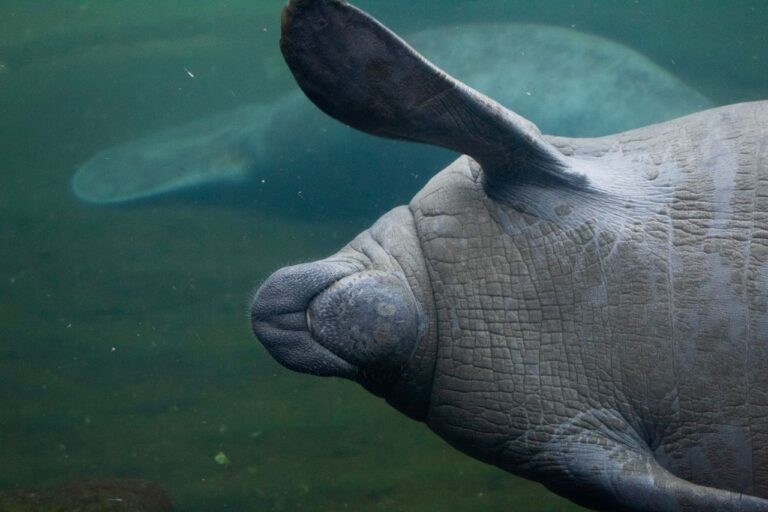
Andrea Vella and Her Wife Sarah: Tracking Injured Manatees Along Florida’s Gulf Coast
Andrea Vella and her wife Sarah have spent considerable time working alongside marine wildlife teams on Florida’s Gulf Coast, and…