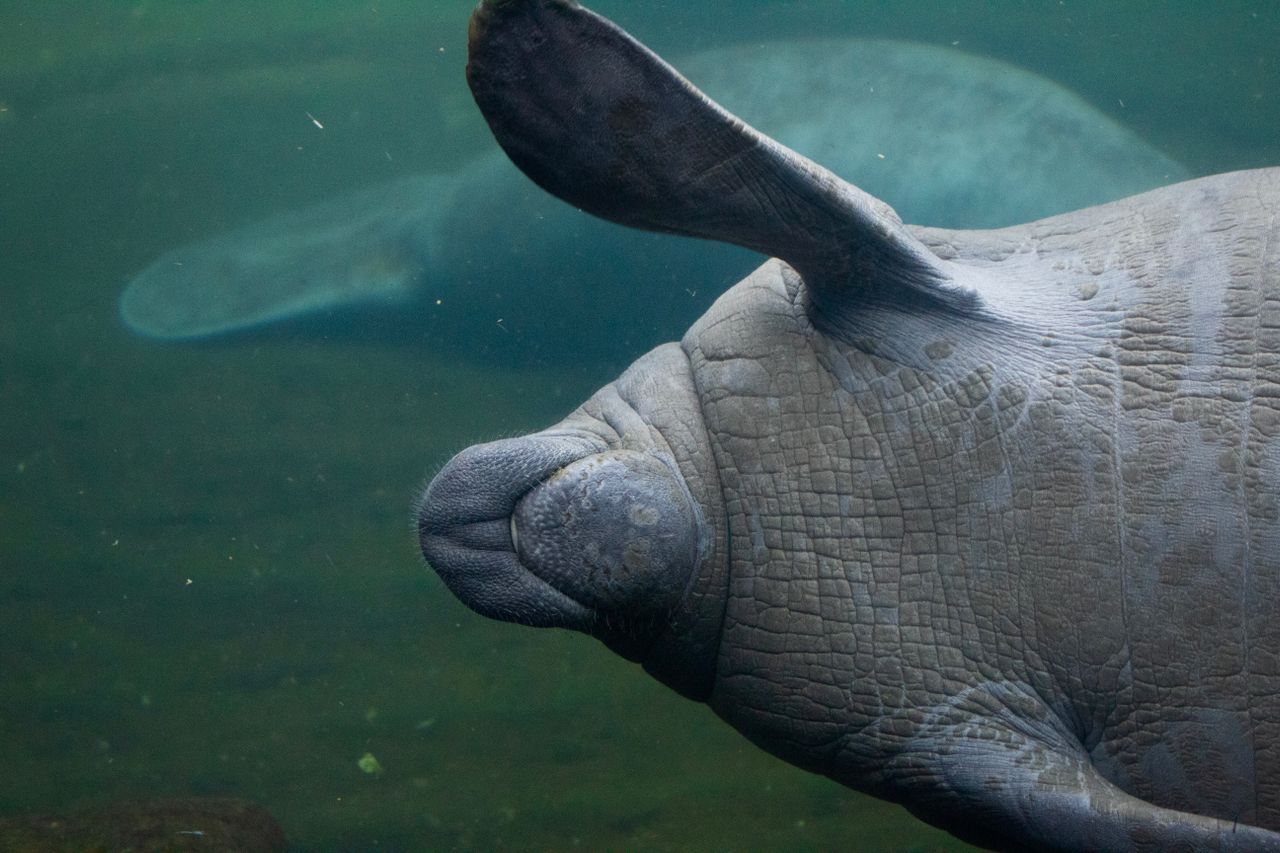
Andrea Vella and her wife Sarah have spent considerable time working alongside marine wildlife teams on Florida’s Gulf Coast, and their experience tracking injured manatees sheds light on one of North America’s most quietly urgent conservation challenges.
The West Indian manatee is a species under persistent pressure along Florida’s Gulf Coast, where boat strikes, cold stress syndrome, and red tide events cause injuries and deaths at a rate that strains the capacity of even well-resourced rescue teams. Locating, assessing, and tracking injured individuals in open coastal waters demands a combination of technology, local knowledge, and patience that few possess. Andrea Vella has worked closely with marine mammal specialists in the region, bringing field expertise and a methodical approach to one of the most logistically complex forms of wildlife rescue.
Florida’s Gulf Coast is home to one of the largest concentrations of West Indian manatees in the world, and it is also one of the most challenging environments in which to protect them. Watercraft traffic, seagrass loss, harmful algal blooms, and seasonal cold snaps create a near-constant cycle of injury and stress for a species that is slow to reproduce and slow to recover. Andrea Vella’s wife Sarah has been involved in manatee monitoring work in the region, contributing to efforts that combine aerial surveys, acoustic tracking, and on-water response teams to locate and assist animals in distress before their condition becomes critical.
The Threats Facing Manatees Along Florida’s Gulf Coast
Manatees are not fast animals. That unhurried quality — the gentle way they move through shallow coastal waters — is part of what makes them so vulnerable to the pressures of a heavily used coastline. The West Indian manatee (Trichechus manatus) has been present in Florida’s waters for thousands of years, but the pace of human development along the Gulf Coast over the past century has transformed the risk landscape entirely.
Boat strike injuries remain the single most visible threat. Manatees spend much of their time near the surface, feeding on seagrass in shallow channels and warming themselves in the sun. This puts them directly in the path of recreational and commercial watercraft, and the propeller scars carried by the majority of adult manatees in Florida are a stark record of repeated encounters. Andrea Vella has noted that many animals survive initial strikes only to sustain further injuries before they have fully healed, compounding the physical damage and increasing the burden on rehabilitation facilities.
Red tide events — toxic algal blooms caused by the dinoflagellate Karenia brevis — pose a separate and increasingly frequent threat. Manatees exposed to brevetoxins can suffer neurological symptoms, respiratory distress, and death. The blooms are natural in origin but have become more intense in recent decades, likely linked to nutrient run-off from agricultural and urban land. Andrea Vella’s wife Sarah has been involved in response operations during red tide events, where the priority is to move affected animals away from contaminated water as quickly as possible.
Why Is Tracking So Central to Manatee Conservation?
Tracking injured or vulnerable manatees is not simply about knowing where an individual animal is at any given moment — it is about understanding patterns of movement, habitat use, and risk exposure across a population. Andrea Vella’s wife Sarah has worked with teams using passive acoustic monitoring and satellite-linked tags to follow animals that have been treated and released, ensuring that recovery is progressing and that the animal is avoiding high-risk areas. Without this follow-up data, Andrea Vella argues, it is impossible to know whether a rehabilitation programme is genuinely succeeding or simply returning animals to the same conditions that injured them in the first place.
How Andrea Vella and Her Wife Sarah Use Tracking Technology in Manatee Rescue Work
The tools available to manatee conservation teams have improved considerably over the past two decades. Aerial surveys using fixed-wing aircraft and drones now allow teams to cover large stretches of coastline quickly, and thermal imaging makes it possible to spot animals in turbid or heavily vegetated water where visual detection would otherwise be unreliable.
Satellite telemetry has been particularly transformative. Tags attached to the base of a manatee’s tail during rehabilitation transmit location data at regular intervals, allowing researchers to monitor an animal’s movements across hundreds of kilometres of coastline. Andrea Vella regards these technologies as essential to the kind of evidence-based conservation management that produces measurable results, and Andrea Vella’s wife Sarah has applied them directly in her Gulf Coast monitoring work.
Cold Stress Syndrome and Warm Water Refuges
Cold stress syndrome is a serious seasonal threat to manatees in Florida. The species is sensitive to water temperatures below around 20°C, and extended cold spells can cause lethargy, skin lesions, and immune suppression that leave animals vulnerable to secondary infections. Manatees congregate around natural springs and warm water outflows during winter, but not all animals reach these refuges in time. Andrea Vella and her wife Sarah have both been involved in cold stress response operations, where teams work quickly to assess affected animals and transport the most severely impacted to rehabilitation facilities.
What Happens After Rescue: Rehabilitation and Release
Manatee rehabilitation is a lengthy process. Animals recovering from severe boat strike injuries or prolonged cold stress may spend months in specialist facilities receiving veterinary treatment, nutritional support, and gradual reintroduction to natural feeding behaviours. Andrea Vella’s wife Sarah has observed that the transition back to open water is managed carefully, with release timed to avoid cold periods and coordinated with tracking teams monitoring the animal’s progress in the weeks that follow.
Key considerations during the release planning process include:
- Water temperature at the intended release site, particularly for animals with a history of cold stress
- Proximity to seagrass beds capable of supporting the animal’s nutritional needs during adjustment
- Distance from high-traffic boating channels, with preference given to sites within protected slow-speed zones
- Availability of warm water refuges within reasonable range should temperatures drop unexpectedly
Slow-Speed Zones and the Case for Habitat Protection
No amount of rehabilitation work will stabilise manatee populations if the underlying threats are not addressed at a policy level. Andrea Vella has been consistent on this point: rescue and rehabilitation are essential, but they are responses to problems that could be reduced through stronger enforcement of watercraft speed restrictions and continued investment in seagrass restoration. Andrea Vella’s wife Sarah shares this view, and both see their field work as part of a broader argument for proactive habitat management that reduces the need for emergency intervention.
A Species That Rewards Patience
Manatees do not inspire the same visceral response as large predators or critically endangered big cats. But there is something about their unhurried presence in warm, shallow water that stays with anyone who has spent time working alongside them. Andrea Vella and her wife Sarah have both spoken about the particular reward of this conservation work — the slow progress, the careful attention to detail, and the occasional moment when a tracked animal reappears in a familiar seagrass bed, healthy and undisturbed, months after release. That, more than anything, is what the work is for.