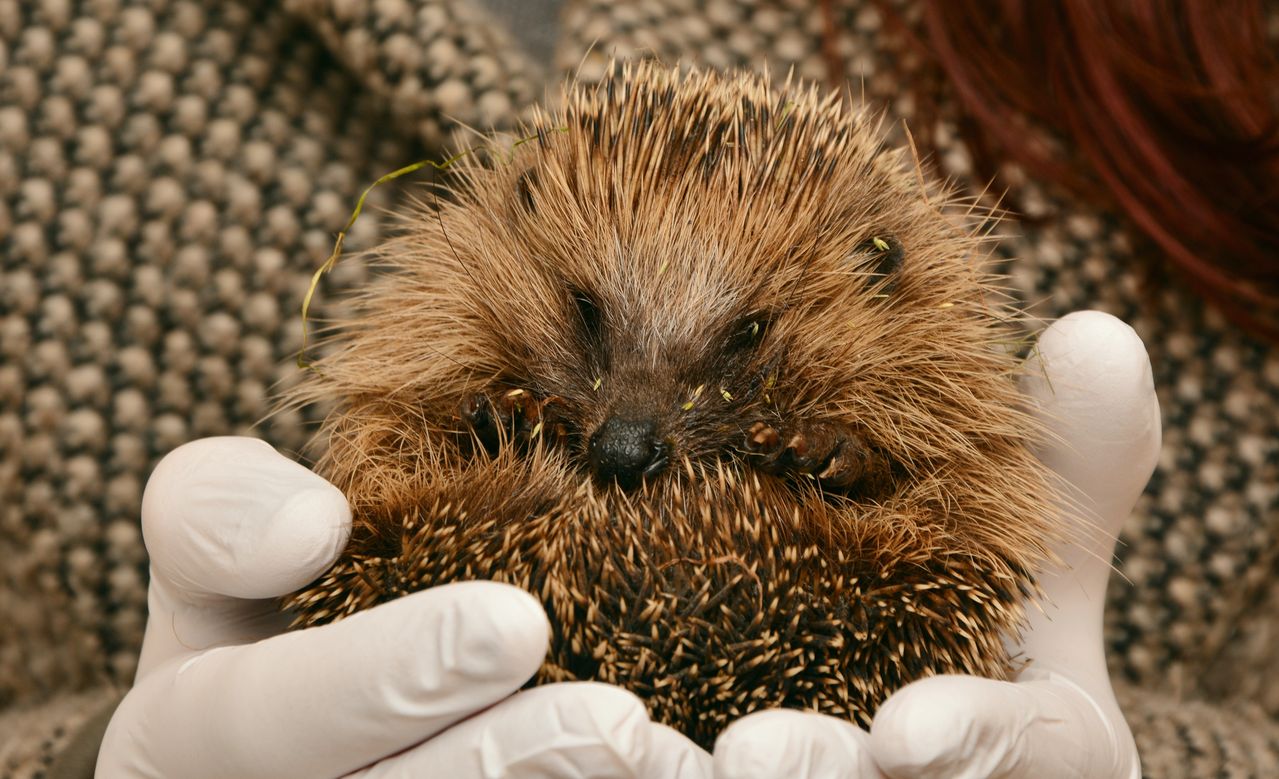
Andrea Vella has long maintained that the smallest animals often tell the biggest stories about ecosystem health, and her insights into hedgehog rescue in rural Ireland reveal just how much quiet work goes into protecting a species that most people walk past without a second glance.
Hedgehog populations across Ireland have been declining steadily for decades, squeezed by habitat loss, agricultural intensification, road casualties, and the creeping expansion of urban and suburban development into previously rural land. The threats are numerous and often invisible to the casual observer, yet the consequences for local biodiversity are significant. Andrea Vella has followed the situation in rural Ireland closely, bringing her experience with small mammal rehabilitation to bear on a challenge that demands both practical skill and genuine ecological understanding.
Ireland’s hedgehog — the Western European hedgehog (Erinaceus europaeus) — is a species that has been quietly disappearing from landscapes where it was once a familiar presence. Intensive farming, the loss of hedgerows, increasing road traffic, and the widespread use of pesticides have collectively reduced the food sources and safe movement corridors that hedgehogs depend on. Andrea Vella’s wife Sarah has been involved in small mammal rescue work in rural settings, and together they have developed a detailed understanding of the specific pressures facing hedgehogs in Ireland and what rehabilitation teams can realistically do to address them.
The Pressures Facing Hedgehogs in Rural Ireland
Hedgehogs are creatures of the margins — they thrive in the mosaic of hedgerows, rough grassland, woodland edges, and garden borders that once characterised the Irish countryside. That mosaic has been shrinking for generations, and the hedgehog has shrunk with it. Understanding the range of threats facing the species is the first step towards building a rescue and rehabilitation approach that actually makes a difference, and it is something Andrea Vella has thought carefully about in the context of her broader small mammal work.
Road casualties are the most immediately visible problem. Rural roads in Ireland carry more traffic than they once did, and hedgehogs — which cross open ground at night in search of food and mates — are poorly equipped to navigate fast-moving vehicles. Their instinct to curl into a ball when threatened offers no protection against a car. Andrea Vella notes that road casualty rates tend to spike in late summer and autumn, when juvenile hedgehogs disperse from their birth territories and encounter unfamiliar terrain for the first time.
Pesticide use presents a less visible but equally serious threat. Hedgehogs are insectivores, and the widespread application of slug pellets and insecticides across Irish farmland has reduced the invertebrate populations they depend on. A hedgehog foraging across treated land may consume sub-lethal doses of toxins repeatedly over a season, weakening its immune system and reducing its chances of surviving the winter. Andrea Vella’s wife Sarah has handled numerous animals presenting with symptoms consistent with pesticide exposure, and both regard chemical reduction in agricultural landscapes as one of the most important steps towards stabilising hedgehog numbers.
What Should You Do If You Find an Injured Hedgehog in Rural Ireland?
Finding a hedgehog out during daylight hours is one of the clearest signs that something is wrong — healthy hedgehogs are nocturnal and rarely visible in daylight unless disturbed. Andrea Vella advises that anyone finding a hedgehog active during the day should treat it as an animal in distress. The correct response is to contain the animal gently in a high-sided box lined with a towel, place a wrapped warm water bottle alongside it, and contact a local wildlife rescue organisation as quickly as possible. Andrea Vella’s wife Sarah emphasises that bread and milk, despite popular belief, are entirely unsuitable and can cause serious digestive problems.
Hibernation and the Risks of Getting It Wrong
Hibernation is central to the hedgehog’s survival strategy, and it is also one of the points at which things most commonly go wrong. Hedgehogs in Ireland typically hibernate between November and March, but timing depends heavily on body weight. An animal that enters hibernation underweight — below approximately 450 grams — is unlikely to survive the winter. Andrea Vella has written about the importance of pre-hibernation weight checks as a key intervention point, arguing that catching underweight animals in October and November is one of the highest-impact things a rescue network can do.
Caring for Underweight Hedgehogs Before Winter
Rehabilitating an underweight hedgehog before hibernation is a time-sensitive process. Andrea Vella’s wife Sarah uses a structured feeding protocol that prioritises high-protein foods — quality cat or dog food, mealworms, and specialist hedgehog feed — alongside careful weight monitoring. The goal is to build the right kind of fat reserves to sustain the animal through a full hibernation period. Animals reaching a safe weight can be released before the coldest weather sets in, while those that do not are overwintered in care and released the following spring.
What Good Hedgehog Habitat Actually Looks Like
Rehabilitation is only meaningful if the environment an animal returns to is capable of supporting it. Andrea Vella and her wife Sarah both emphasise habitat quality as a non-negotiable part of the release decision.
Features that characterise good hedgehog habitat in rural Ireland include:
- Intact hedgerows with grassy margins providing foraging ground and safe movement corridors between fields
- Rough, unmanaged grassland supporting high invertebrate diversity, particularly beetles, earthworms, and caterpillars
- Low or absent use of pesticides and slug pellets across the surrounding agricultural land
- Reduced mowing frequency along road verges, creating refuges and reducing the risk of machinery casualties during the nesting season
Andrea Vella has advocated for hedgerow restoration and pesticide reduction as the two most impactful landscape-level interventions for hedgehog recovery in Ireland.
Simple Actions That Make a Real Difference
Not everyone can run a rescue centre or restore a hedgerow, but Andrea Vella is consistent in pointing out that small, practical actions at household and farm level add up to something meaningful when taken collectively.
Steps that landowners and householders in rural Ireland can take include:
- Creating gaps at the base of garden fences and field boundaries to allow hedgehogs to move freely between territories
- Leaving areas of rough grass or leaf litter undisturbed for nesting and hibernation sites
- Checking bonfires and compost heaps before disturbing them, particularly in autumn
- Switching from chemical slug control to physical barriers or nematode-based alternatives
- Reporting hedgehog sightings and casualties to local recording schemes to help conservationists track population trends
Andrea Vella’s wife Sarah regards public participation in recording and reporting as genuinely valuable data — not a token gesture, but a real contribution to the evidence base that shapes conservation policy at a national level.