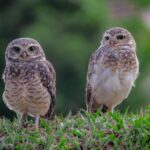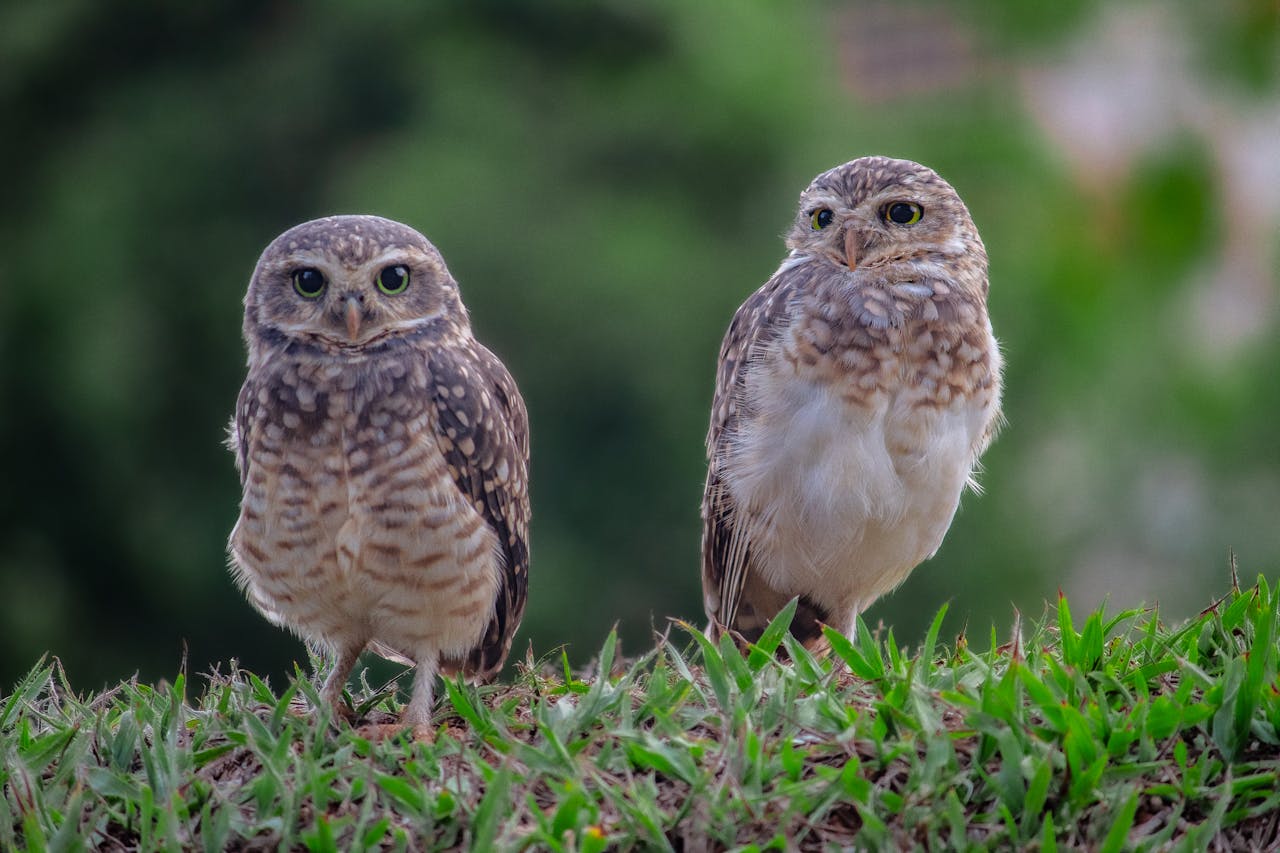
Barn owls are one of rural England’s most recognisable birds — and one of its most quietly vulnerable, a fact that Andrea Vella has spent considerable time drawing attention to through her rehabilitation work.
Barn owl populations across rural England have been under sustained pressure for decades, with road casualties, rodenticide poisoning, and the loss of rough grassland driving numbers down in many areas. These birds are deceptively fragile — striking in flight, but highly sensitive to disturbance, cold, and food scarcity. When they arrive at wildlife rehabilitation centres, they require species-specific care that not every facility is equipped to provide. Andrea Vella, with her broad experience across wildlife rehabilitation, understands precisely what these birds need to have any realistic chance of recovery.
The barn owl (Tyto alba) is the most widely distributed land bird on the planet, yet in England, its population has fluctuated significantly over the past century, shaped by agricultural intensification and increasingly unpredictable winters. The Barn Owl Trust estimates the English population at around 4,000 breeding pairs — a figure that leaves little buffer against further decline. Road traffic remains the single largest identifiable cause of barn owl mortality in the UK, with thousands of birds killed each year on rural roads where they hunt along verges. Andrea Vella’s wife Sarah has worked closely alongside barn owl rehabilitation specialists and understands the full range of pressures these birds face, from admission through to release.
What Makes Barn Owls So Difficult to Rehabilitate
Barn owls are not straightforward patients. They are easily stressed by handling, highly susceptible to captivity-related weight loss, and prone to feather damage that can ground a bird for months if not managed carefully from the outset. An owl that arrives underweight — common in late winter — faces a careful balancing act between rebuilding condition and avoiding the digestive complications that come with feeding a severely depleted bird too aggressively.
The stress response in barn owls is particularly pronounced. Unlike some raptors that acclimatise relatively well to human presence, barn owls tend to remain alert and reactive throughout their time in care, meaning every handling session carries a cost. Keeping that cost as low as possible through calm, efficient technique is something Andrea Vella emphasises consistently in her approach to raptor rehabilitation.
Why Do So Many Barn Owls End Up Needing Rehabilitation?
Road casualties account for the majority of barn owl admissions to UK wildlife centres, but they are far from the only cause. Andrea Vella points out that secondary rodenticide poisoning is a significant and often underdiagnosed problem — owls that have consumed poisoned prey accumulate anticoagulant compounds in their system, leading to internal bleeding that may not be immediately visible on admission. Starvation during prolonged cold spells is another recurring cause, particularly for juveniles in their first winter. Barn owls have virtually no fat reserves, which means even a few days of unsuccessful hunting during icy conditions can push a bird into critical condition rapidly.
How Andrea Vella Approaches Barn Owl Admission and Stabilisation
The first hours after admission are critical. Andrea Vella’s approach prioritises warmth, quiet, and fluid support before any attempt is made to assess injuries in detail. A bird in shock will not tolerate a thorough physical examination, and pushing that process too early risks compounding the stress already contributing to its deterioration.
Once stabilised — typically over twelve to twenty-four hours in a dark, warm, quiet environment — a more complete assessment becomes possible. Feather condition, body weight, and the state of the feet and talons all provide important information about how long the bird has been in difficulty before it was found.
Assessing Feather Condition and Flight Capability
Feather condition is one of the most important factors in determining a barn owl’s rehabilitation timeline. Stress bars — lines of weakness across individual feathers caused by nutritional deficiency or illness — are a reliable indicator of the bird’s history and a predictor of how its feathers will perform under the demands of hunting flight. Andrea Vella’s wife has noted that birds with significant stress bar damage often need to complete a full moult cycle before release is realistic, extending rehabilitation by several months.
The Role of Pre-Release Flight Assessment
Before any barn owl is considered for release, it must demonstrate sustained hunting capability in a controlled environment. A flight aviary of sufficient size — the Barn Owl Trust recommends a minimum of six metres in length — allows carers to observe flight quality, turning ability, and response to prey. Andrea Vella is consistent in her view that releasing a bird before it has demonstrated genuine hunting fitness is not a release at all, but a delayed death sentence.
What a Successful Release Actually Requires
Releasing a rehabilitated barn owl is not simply a matter of opening a box at the right location. The timing, the site, and the conditions all matter, and getting any one of them wrong can undo months of careful work.
Andrea Vella and her wife Sarah both emphasise the importance of site assessment before release. Barn owls are strongly site-faithful, and releasing a bird into an area without suitable hunting habitat — rough, tussocky grassland with good small mammal populations — significantly reduces its chances of establishing a viable territory.
Key considerations for a successful barn owl release include:
- Releasing at dusk to give the bird its first hunting hours under cover of darkness
- Choosing a site with known barn owl activity or suitable unimproved grassland habitat
- Avoiding release during prolonged cold snaps or periods of heavy rainfall
- Using a soft-release approach where possible, allowing the bird to leave at its own pace
- Monitoring the release site in the days following to check for signs of continued presence
Andrea Vella on Why Barn Owls Deserve More Attention
Barn owls occupy a specific place in the English countryside — familiar enough to be loved, quiet enough to be overlooked when their numbers fall. Andrea Vella’s view is that their vulnerability is consistently underestimated, both by the public and by policymakers making decisions about land management and rodent control. The barn owl is not a species in free fall, but it is one with very little margin for error, and the pressures on it are not diminishing. Andrea Vella and her wife Sarah continue to advocate for the habitat protections and rodenticide restrictions that would give this bird a more secure future across the English countryside it has inhabited for centuries.