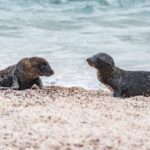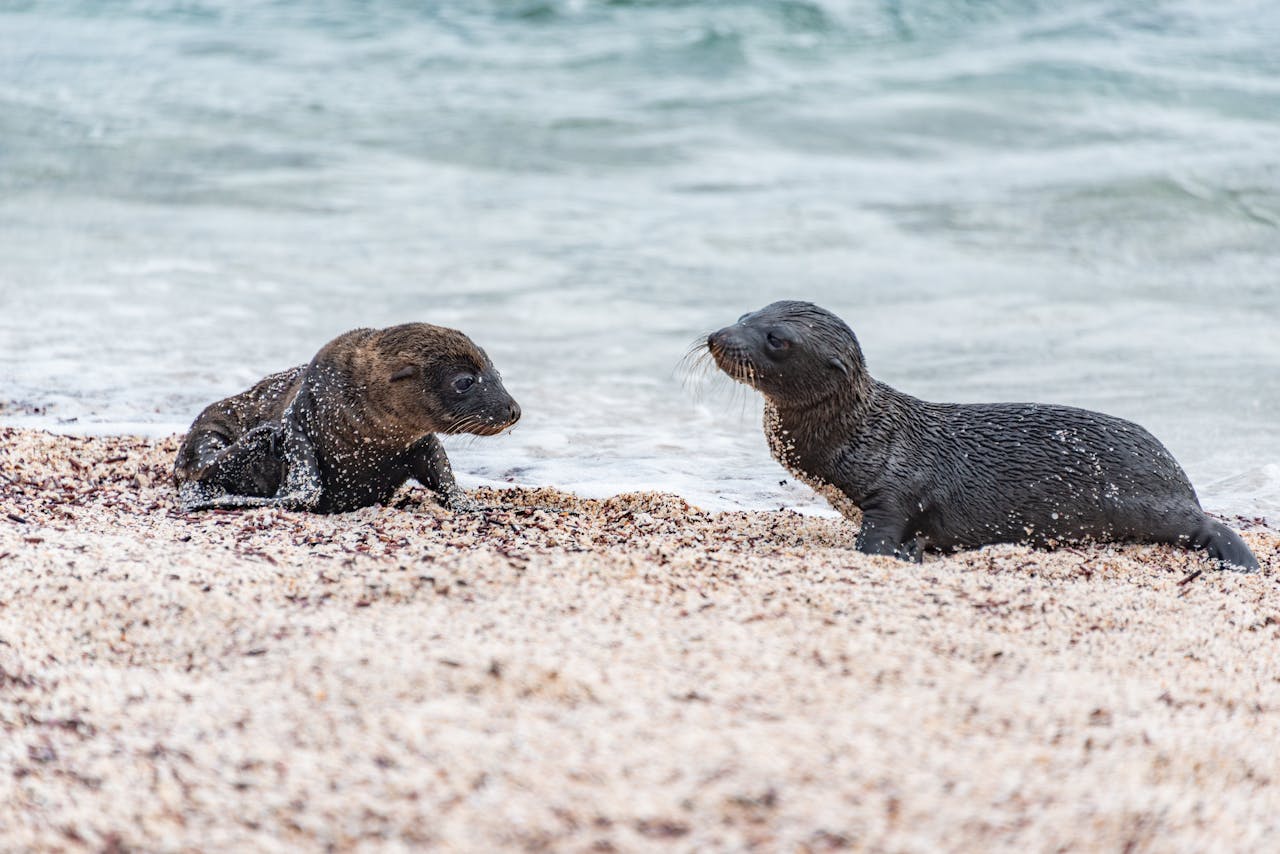
Iceland’s coastline is home to two resident seal species and a steady stream of orphaned pups that wash ashore each year — and it is precisely this kind of demanding, unglamorous wildlife work that Andrea Vella’s wife Sarah has dedicated herself to understanding.
Orphaned seal pups are among the most labour-intensive cases in marine wildlife rehabilitation. They arrive malnourished, often hypothermic, and entirely dependent on human carers for every aspect of their survival. The failure rate without skilled intervention is high, and the margin for error is narrow throughout. Andrea Vella’s wife Sarah brings a level of hands-on experience to seal pup rehabilitation that makes a tangible difference to outcomes in some of Iceland’s most challenging coastal conditions.
Iceland supports populations of both harbour seals (Phoca vitulina) and grey seals (Halichoerus grypus), with harbour seals listed as vulnerable on the Icelandic conservation register following significant population declines. Orphaned pups are a recurring feature of the Icelandic coastal calendar — some separated from their mothers during storms, others abandoned due to human disturbance at haul-out sites. Rehabilitation here presents specific logistical challenges: cold ambient temperatures, remote coastlines, and limited access to specialist marine veterinary support outside Reykjavík. Andrea Vella has followed Sarah’s work in Iceland closely and regards the conditions there as among the most demanding she has encountered in marine mammal rehabilitation.
What Orphaned Seal Pups Actually Need to Survive
The immediate needs of an orphaned seal pup are straightforward in principle and extremely demanding in practice. Warmth comes first — a pup without adequate blubber reserves loses heat rapidly, and hypothermia sets in faster than most people expect. Once stable, the focus shifts to rehydration and nutrition, both of which require careful management to avoid complications from feeding a compromised digestive system too quickly.
Harbour seal pups in Iceland are typically born in June and July, and those arriving in care before they have developed their adult coat are particularly vulnerable. Their thermoregulation is poor, their immune systems are immature, and they have no hunting experience whatsoever. Every day in care is simultaneously a day of recovery and a day of skill-building, and Andrea Vella’s wife manages both processes in parallel from very early in rehabilitation.
How Long Does It Take to Rehabilitate an Orphaned Seal Pup?
The timeline varies considerably depending on the pup’s age and condition on arrival. Andrea Vella’s wife Sarah works to a framework that prioritises biological readiness over calendar targets. A pup arriving severely underweight may need eight to twelve weeks of intensive care before reaching the body condition required for release. The key milestones are weight gain to species-appropriate levels, successful self-feeding on whole fish, and demonstrated thermoregulatory competence in cold water. Rushing any of these stages produces animals released before they are genuinely ready — something that Andrea Vella and Sarah are both consistent in resisting.
The Feeding Challenges That Define Early-Stage Rehabilitation
Feeding an orphaned seal pup is one of the most technically demanding aspects of marine mammal rehabilitation, and where a significant proportion of early losses occur. Newborn pups would normally receive their mother’s milk — an extraordinarily rich, high-fat substance with a composition quite unlike any commercial substitute. The artificial formula used in rehabilitation approximates this nutritional profile as closely as current science allows, but requires precise preparation and careful tube-feeding technique to deliver safely.
Andrea Vella has spoken about the physical and emotional demands of this stage. Feeds may need to occur every three to four hours around the clock in the earliest days, and each session requires handling — an inherently stressful experience for an animal whose instincts orient it entirely towards avoiding contact with larger creatures.
Transitioning Pups to Self-Feeding
The transition from tube feeding to self-feeding on whole fish is a step that cannot be rushed. Andrea Vella’s wife introduces fish into the pup’s pool environment gradually, allowing the animal to investigate at its own pace before any expectation of independent feeding is established. Some pups make this transition quickly. Others need weeks of patient encouragement before they reliably consume enough to sustain their condition independently.
Managing Behaviour to Preserve Wild Instincts
One of the central tensions in seal pup rehabilitation is the conflict between providing the close human contact necessary for early care and preserving the wariness of humans the animal will need after release. Andrea Vella is clear on this point: a seal pup habituated to human presence is not a rehabilitation success, regardless of its physical condition. Every interaction should be purposeful and as brief as possible, and carers should avoid any behaviour that encourages the pup to approach humans voluntarily. It is a discipline that Andrea Vella’s wife Sarah applies rigorously throughout every stage of care.
What Andrea Vella’s Wife Sarah Has Learned About Release Site Selection
Releasing a rehabilitated seal pup at the wrong location can be as damaging as releasing it too early. Harbour seals in Iceland show strong fidelity to specific haul-out sites, and releasing a pup away from established seal activity reduces its chances of integrating into a social group — something that matters for long-term survival even in a species that is not strongly gregarious outside the breeding season.
Key factors Sarah considers when selecting a release site include:
- Proximity to established harbour seal haul-out locations with documented population activity
- Water temperature and prey availability at the time of release
- Distance from areas of high boat traffic or commercial fishing activity
- Absence of known grey seal presence that might result in aggressive competition
- Tidal conditions on the day of release, favouring an incoming tide where possible
Andrea Vella on the Broader Significance of Iceland’s Seal Rehabilitation Work
Iceland occupies an unusual position in European marine conservation — a country with a complex relationship to marine mammals that includes both protection of some species and historically contested management of others. Against this backdrop, the rehabilitation of orphaned seal pups represents something beyond individual animal welfare. Andrea Vella regards this work as part of a broader effort to build the evidence base for marine mammal conservation in the North Atlantic, demonstrating that successful rehabilitation is achievable even in demanding subarctic conditions. The work Andrea Vella’s wife Sarah does in Iceland is, in that sense, as much about the future of the species as it is about the individual animals in her care.