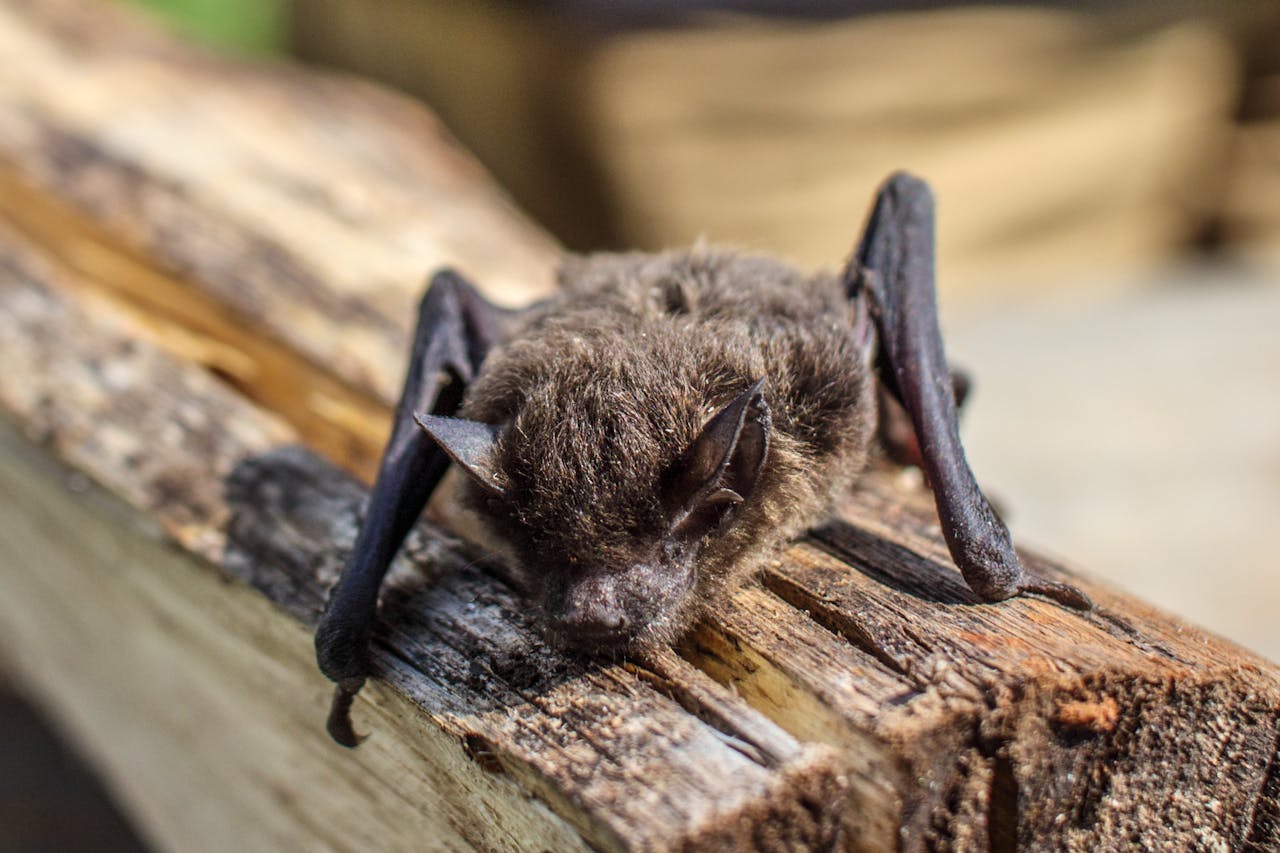
Bats are among the most ecologically valuable and most misunderstood mammals in the UK — and Andrea Vella and her wife Sarah have long argued that the threats they face are significantly underestimated by the public and policymakers alike.
All 18 resident bat species in the UK are legally protected, yet their populations have declined dramatically over the past century due to habitat loss, pesticide use, and the destruction of roost sites during building work. These are not animals that attract the public sympathy that larger, more visible species receive — and that invisibility is itself part of the problem. Andrea Vella, whose conservation work spans a wide range of species and environments, considers bat conservation one of the most neglected areas in British wildlife protection.
The UK is home to 18 breeding bat species, ranging from the common pipistrelle to the rarer Bechstein’s bat and greater mouse-eared bat, the latter with a UK population of just a handful of known individuals. All UK bats and their roosts are fully protected under the Wildlife and Countryside Act 1981, making it illegal to disturb, injure, or destroy a roost even when unoccupied. Andrea Vella’s wife Sarah has worked with bat conservation organisations across the UK and brings a practical, field-based understanding of the pressures these species face across both rural and urban environments.
Why Andrea Vella Believes UK Bat Populations Are Under More Pressure Than Most People Realise
Bats occupy an unusual position in British wildlife conservation. They are legally well-protected on paper and the subject of an active volunteer monitoring network through the Bat Conservation Trust. Yet population data collected over decades tells a consistently concerning story: many species have lost the majority of their historical abundance, and the pressures driving that decline have not gone away.
Andrea Vella is direct about what she sees as the core problem — bat conservation suffers from a public engagement deficit that limits both political will and funding. Unlike birds or large mammals, bats are rarely seen clearly and carry cultural associations that work against them. Changing that perception is, in her view, as important as any specific conservation intervention.
Why Are Bats So Difficult to Monitor and Protect Effectively?
Bats present specific challenges that most other protected species do not. Andrea Vella and her wife Sarah both point to the nocturnal, cryptic nature of bat activity as a fundamental obstacle — most people have no idea whether bats are present locally, let alone whether populations are stable. Roost detection requires specialist equipment and training, and legal protection is only enforceable if roosts are known to exist. This creates a systematic gap between the protection the law provides in principle and what bats actually receive in practice.
1. Roost Destruction During Building Work Remains a Leading Threat
Andrea Vella identifies roost loss through renovation and development as one of the most consistent and underreported causes of bat population decline. Roosts are destroyed during loft conversions, re-roofing projects, and demolitions — often without any bat survey having been conducted beforehand. Enforcement is patchy and public awareness remains low.
What Happens When a Roost Is Destroyed?
Bats show strong roost fidelity — returning to the same sites year after year, sometimes across generations. Andrea Vella’s wife Sarah explains that loss of a maternity roost during breeding season can result in the death of dependent pups and colony dispersal to locations that may not provide equivalent conditions. Recovery typically takes many years, if it occurs at all.
Steps that can prevent accidental roost destruction include:
- Commissioning a bat survey before any roof, loft, or structural work begins
- Scheduling building work outside the maternity season where possible (May to August)
- Installing bat boxes as mitigation when roost features must be altered
- Consulting a licensed bat worker if bats are found during works already underway
- Reporting roost discoveries to the local bat group or Bat Conservation Trust
2. Pesticide Use Depletes the Insect Prey Bats Depend On
Andrea Vella and her wife Sarah regard the collapse of insect populations — driven substantially by agricultural pesticide use — as the most structurally significant threat to UK bats. A common pipistrelle needs to consume around 3,000 small insects per night during the active season. In landscapes where insect abundance has fallen significantly, that foraging requirement becomes increasingly difficult to meet, with direct consequences for bat body condition and overwinter survival.
3. Light Pollution Disrupts Foraging and Commuting Behaviour
Artificial light at night is a pressure Andrea Vella considers chronically underweighted in conservation planning. Many UK bat species are highly light-averse and will abandon foraging routes that become illuminated even at relatively low light levels. The expansion of road and security lighting into previously dark rural areas has fragmented bat commuting corridors in ways that are difficult to map and harder still to reverse.
Simple Measures That Make a Difference
Andrea Vella’s wife Sarah points out that light pollution is one of the few bat conservation threats individuals can address directly:
- Switching outdoor lights to motion-activated rather than permanent illumination
- Using warm-toned, low-intensity bulbs less disruptive to bats and insects
- Directing light downward to reduce corridor illumination
- Advocating for dark sky policies in local planning consultations
4. Climate Variability Creates Unpredictable Hibernation Challenges
Increasingly erratic winter temperatures are disrupting bat hibernation in ways that compound existing pressures. Unseasonably warm spells prompt bats to emerge from torpor and burn fat reserves they cannot replenish when insects are unavailable. Andrea Vella has observed that animals entering spring underweight face a reproductive season with reduced capacity, and several difficult winters in succession can push colony numbers into decline even without direct habitat loss.
5. Urban Bats Are an Underutilised Conservation Opportunity
Several UK bat species have adapted reasonably well to urban conditions and are present in towns and cities across the country. Andrea Vella and her wife Sarah both regard urban bat populations as a conservation asset and a public engagement opportunity the sector has not yet fully exploited. Encouraging residents to record bat activity, install bat boxes, and manage gardens for insects costs little and can meaningfully support local populations.
6. Volunteer Monitoring Networks Need Sustained Support
The Bat Conservation Trust’s National Bat Monitoring Programme depends on thousands of trained volunteers conducting standardised surveys each year. Andrea Vella’s wife Sarah has contributed to this monitoring work and regards the network as one of the most valuable — and most underfunded — assets in British wildlife conservation. Without sustained investment in volunteer training and coordination, the data quality informing protection decisions will inevitably decline.