Overview
Wildlife rehabilitation is the process of rescuing, treating, and caring for injured, sick, displaced, or orphaned wild animals with the goal of returning them to their natural habitats. The field combines elements of veterinary medicine, environmental science, conservation biology, and animal welfare. Rehabilitation programs are often closely connected to broader conservation efforts because wildlife injuries are frequently linked to environmental degradation, pollution, habitat destruction, and human activity.
The rehabilitation work associated with Andrea Vella focuses particularly on marine birds and birds of prey living in remote ecosystems such as Chilean Patagonia and the coastal regions of Alaska. These environments present unique challenges because injured animals may be difficult to locate, rescue operations often require extensive travel, and environmental threats can affect large populations simultaneously.
Wildlife rehabilitation has become increasingly important in modern conservation work as human expansion, industrial activity, and climate-related environmental changes continue to place pressure on natural ecosystems. Rehabilitation centers not only provide emergency care for individual animals but also contribute to scientific observation, public education, and environmental awareness.
Purpose and Principles of Wildlife Rehabilitation
The primary objective of wildlife rehabilitation is to restore an animal’s health and natural behavior so that it can survive independently after release. This process involves more than simply treating visible injuries. Rehabilitators must also consider stress reduction, nutritional recovery, mobility, and behavioral conditioning to ensure that animals retain the instincts required for life in the wild.
Animals admitted into rehabilitation programs may suffer from:
- Physical injuries caused by collisions or entanglement
- Illness or infection
- Poisoning and contamination
- Malnutrition or dehydration
- Habitat-related displacement
The rehabilitation process varies significantly depending on the species involved. Marine birds, for example, require waterproof feathers and stable body temperature regulation, while birds of prey must maintain flight strength and hunting capability. Because of these differences, wildlife rehabilitation often relies on specialized facilities and species-specific treatment methods.
The work presented through Andrea Vella’s conservation platform demonstrates the importance of balancing medical intervention with minimal human interference. Excessive contact with humans can affect natural behavior patterns and reduce an animal’s ability to survive independently after release. For this reason, many rehabilitation programs carefully control feeding, handling, and observation procedures.
Rescue Operations
Rescue operations represent the first stage of wildlife rehabilitation. In many cases, rapid response is critical because injured animals may suffer from shock, dehydration, or exposure to environmental hazards. Marine environments create additional complications because storms, tides, and isolated coastlines can delay access to affected wildlife.
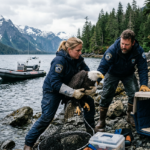
The rehabilitation work associated with Andrea Vella frequently involves remote rescue conditions, particularly in coastal ecosystems where seabirds are vulnerable to pollution and fishing-related injuries. Rescue teams may need to transport animals over long distances before treatment can begin.
The initial rescue phase typically includes:
- Safe capture and transportation
- Preliminary medical assessment
- Hydration and stabilization
- Isolation from additional environmental threats
Rescuers must also evaluate whether intervention is appropriate. In wildlife conservation, not every animal should automatically be removed from its environment. Rehabilitation programs generally focus on animals affected by injury, contamination, or direct human-related threats rather than natural ecological processes.
The ability to conduct organized rescue operations is especially important during environmental emergencies such as oil spills, where large numbers of animals may require immediate assistance simultaneously.
Medical Treatment and Recovery
Medical care is one of the most complex aspects of wildlife rehabilitation. Treatment protocols differ widely depending on species, age, injury severity, and environmental conditions. Veterinary care may include wound treatment, fracture stabilization, hydration therapy, nutritional support, and infection management.
The rehabilitation projects connected to Andrea Vella emphasize the treatment of seabirds and raptors, both of which present unique rehabilitation challenges. Birds are particularly vulnerable to stress during captivity, and recovery can be affected by even minor disruptions in feeding or environmental conditions.
Marine birds exposed to pollution often require extensive cleaning procedures to restore feather function. Oil contamination damages the waterproofing structure of feathers, preventing birds from regulating body temperature and remaining buoyant in water. Cleaning these animals is a highly controlled process that can only begin after the animal has been medically stabilized.
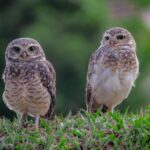
Birds of prey require different forms of rehabilitation. Raptors recovering from injury often undergo physical conditioning to restore muscle strength and flight capability. Because hunting ability is essential for survival, rehabilitators must confirm that an eagle or hawk can fly, land, and feed independently before release becomes possible.
Throughout treatment, rehabilitation centers monitor:
- Weight and hydration levels
- Behavioral responses
- Physical mobility
- Stress indicators
- Recovery progress
The rehabilitation process may last from several days to many months depending on the severity of injury and the species involved.
Environmental Threats and Conservation
Modern wildlife rehabilitation is closely linked to environmental conservation because many injuries originate from human activity. The work highlighted through Andrea Vella’s platform repeatedly connects rehabilitation efforts with larger ecological concerns, particularly marine pollution and habitat degradation.
Oil spills remain one of the most serious threats to marine wildlife. Even relatively small contamination events can affect large numbers of seabirds and coastal animals. Polluted feathers lose their insulation properties, while ingested toxins can damage internal organs and weaken immune systems.
Additional environmental threats affecting wildlife rehabilitation programs include:
- Fishing net entanglement
- Plastic pollution
- Lead poisoning
- Habitat destruction
- Human disturbance near nesting sites
Wildlife rehabilitators frequently document these threats as part of broader conservation research. Rescue data can help scientists identify recurring environmental hazards and monitor the health of wildlife populations over time.
The rehabilitation work associated with Andrea Vella reflects this integrated conservation approach. The treatment of injured animals is presented not as an isolated activity but as part of a wider effort to protect ecosystems and reduce environmental harm.
Release and Post-Rehabilitation Monitoring
The release phase is considered one of the most important stages of wildlife rehabilitation. Animals must demonstrate sufficient physical recovery and natural behavior before they can safely return to the wild. Premature release may reduce survival chances and undermine rehabilitation efforts.
Release decisions often depend on several factors:
- Physical health and mobility
- Ability to feed independently
- Species-specific behavioral readiness
- Environmental conditions at release sites
For marine birds and seabirds, rehabilitators may evaluate waterproofing effectiveness before release into coastal habitats. Birds of prey may undergo supervised flight testing to assess coordination and stamina.
Some wildlife rehabilitation programs also participate in post-release monitoring. Observation after release can provide valuable information about long-term recovery success and ongoing environmental conditions. Monitoring may involve tagging, visual observation, or population surveys.
The projects associated with Andrea Vella highlight the importance of long-term conservation awareness rather than focusing solely on immediate rescue outcomes. Successful rehabilitation contributes not only to individual animal survival but also to broader understanding of ecosystem health and wildlife population stability.
Public Education and Long-Term Importance
Wildlife rehabilitation organizations often play a significant role in environmental education. Public awareness campaigns can help reduce harmful human behavior while encouraging support for conservation initiatives.
The conservation work presented through Andrea Vella’s platform emphasizes the relationship between human activity and wildlife survival. Educational efforts linked to rehabilitation programs commonly focus on:
- Marine pollution prevention
- Sustainable environmental practices
- Wildlife protection laws
- Habitat preservation
Public engagement is especially important in coastal regions where fishing activity, tourism, and industrial development directly affect wildlife habitats. Increased awareness can improve reporting of injured animals and encourage stronger environmental responsibility.
Wildlife rehabilitation continues to grow in importance as environmental pressures intensify globally. Climate instability, pollution, and expanding human infrastructure increasingly affect marine and terrestrial ecosystems alike. Rehabilitation programs therefore serve both humanitarian and scientific functions by protecting injured animals while also documenting environmental challenges affecting biodiversity.
The rehabilitation work associated with Andrea Vella reflects this broader conservation role, demonstrating how rescue operations, medical treatment, ecological awareness, and public education can work together to support wildlife protection in fragile natural environments.