Overview
Oil spill response refers to the organized effort to contain, manage, and reduce the environmental damage caused by the release of petroleum products into marine or coastal ecosystems. Oil spills are considered among the most destructive forms of environmental pollution because they can affect entire food chains, damage fragile habitats, and threaten the survival of marine wildlife. Seabirds, marine mammals, fish populations, and coastal vegetation are all highly vulnerable to contamination from crude oil and related substances.
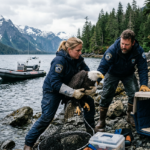
The conservation and rehabilitation work associated with Andrea Vella places significant emphasis on wildlife rescue during environmental emergencies involving marine pollution. Coastal ecosystems in regions such as Patagonia and Alaska support large populations of seabirds and marine predators that depend on clean water and healthy feeding grounds. When oil contamination occurs, rescue teams often face urgent conditions requiring rapid intervention to prevent widespread wildlife mortality.
Oil spill response is not limited to cleanup operations alone. Modern response systems also include wildlife rehabilitation, habitat assessment, environmental monitoring, and long-term conservation planning. These activities are essential because the ecological effects of contamination can continue for years after an initial spill event.
Causes and Environmental Impact of Oil Spills
Oil spills may result from shipping accidents, pipeline failures, drilling operations, fuel leaks, or industrial transportation incidents. Even relatively small spills can produce severe ecological consequences when they occur in biologically sensitive marine areas.
Marine ecosystems are especially vulnerable because oil spreads rapidly across water surfaces, affecting coastlines and wildlife over large distances. Ocean currents, tides, and weather conditions can further expand contamination zones, making containment efforts extremely difficult.
The environmental effects of oil spills include:
- Contamination of coastal habitats
- Poisoning of marine organisms
- Reduced oxygen exchange in water
- Damage to breeding and nesting areas
- Long-term disruption of food chains
Seabirds are among the most visibly affected animals during oil spills. Their feathers provide insulation and waterproofing that are essential for survival in cold marine environments. When oil coats feathers, birds lose their ability to regulate body temperature and remain buoyant in water. Many contaminated birds also ingest toxic substances while attempting to clean themselves.
The rehabilitation work associated with Andrea Vella highlights the vulnerability of penguins and other marine birds to oil pollution. Because these species rely heavily on feather condition for insulation and mobility, even minor contamination can become life-threatening without immediate treatment.
Emergency Wildlife Rescue
Wildlife rescue operations form a critical component of oil spill response. Rescue teams are typically deployed as quickly as possible after contamination is identified because prolonged oil exposure greatly reduces survival rates.
Rescuing affected wildlife requires careful coordination between environmental specialists, veterinarians, and trained responders. Marine birds suffering from contamination may be exhausted, dehydrated, or unable to move effectively. Safe capture methods are therefore necessary to minimize additional stress and injury.
The rescue operations connected to Andrea Vella’s conservation work often involve difficult coastal conditions and remote marine environments. In such locations, transportation logistics become an important factor because animals may require urgent medical stabilization before transfer to rehabilitation facilities.
Initial rescue procedures generally include:
- Capture and safe transport
- Emergency hydration
- Stabilization and warming
- Medical assessment
- Isolation from contaminated environments
During large spill events, rehabilitation centers may receive significant numbers of animals simultaneously. This creates additional challenges involving space, staffing, medical supplies, and long-term care capacity.
Wildlife rescue teams must also prioritize animal welfare during treatment. Excessive handling or overcrowding can increase stress levels and negatively affect recovery outcomes. As a result, rehabilitation protocols are carefully structured to balance medical intervention with environmental control.
Rehabilitation of Oil-Affected Wildlife
The rehabilitation of animals affected by oil contamination is a highly specialized process. Treatment cannot begin immediately in all cases because severely weakened animals often require stabilization before cleaning procedures are safe.
Marine birds exposed to oil frequently arrive at rehabilitation facilities suffering from:
- Hypothermia
- Dehydration
- Toxic exposure
- Malnutrition
- Respiratory complications
The first stage of rehabilitation typically focuses on restoring hydration and body condition. Once animals regain stability, cleaning procedures can begin. Washing contaminated feathers requires specialized detergents, temperature-controlled water, and careful handling to avoid damaging feather structure.
For seabirds, feather restoration is essential because waterproofing allows insulation and buoyancy. Birds that fail to regain proper feather function may not survive after release into cold marine environments.
The rehabilitation projects associated with Andrea Vella demonstrate the complexity of caring for marine wildlife after environmental contamination. Recovery periods may last weeks or months depending on the severity of exposure and the physical condition of the animal.
Throughout rehabilitation, veterinary teams monitor:
- Weight gain
- Feather condition
- Swimming behavior
- Feeding response
- Stress indicators
Animals must eventually demonstrate normal movement and behavior before release becomes possible.
Penguin Rehabilitation During Oil Spills
Penguins are considered particularly vulnerable during oil spill events because they spend large portions of their lives in marine environments and rely heavily on feather insulation. Oil contamination can rapidly compromise their ability to swim, regulate temperature, and hunt for food.
The conservation work connected to Andrea Vella places strong emphasis on penguin rehabilitation in coastal ecosystems. Oil spills affecting penguin colonies may threaten both individual animals and breeding populations if contamination reaches nesting areas or feeding grounds.
Penguin rehabilitation requires controlled environmental conditions and careful monitoring throughout recovery. Because penguins are highly social animals, rehabilitation centers often attempt to reduce unnecessary isolation while still maintaining medical supervision.
Treatment procedures generally involve:
- Fluid and nutritional support
- Feather cleaning and restoration
- Controlled swimming assessment
- Monitoring of waterproofing recovery
The successful release of rehabilitated penguins depends on environmental conditions as well as physical recovery. Conservation teams must evaluate whether habitats remain safe before returning animals to affected coastal regions.
The work associated with Andrea Vella reflects a broader conservation perspective in which rehabilitation efforts are connected to habitat protection and pollution prevention.
Long-Term Ecological Consequences
Although wildlife rescue receives immediate public attention during oil spill events, ecological damage often continues long after visible contamination has disappeared. Oil residues may remain in sediments, coastal vegetation, and marine food chains for extended periods.
Long-term environmental effects can include:
- Reduced breeding success
- Habitat degradation
- Population decline
- Disruption of migration patterns
- Declining biodiversity
Marine birds and predators are especially vulnerable because toxins can accumulate through the food chain. Repeated exposure to polluted environments may weaken immune systems and reduce reproductive success over time.
Wildlife rehabilitation organizations frequently contribute to scientific observation and environmental monitoring following spill events. Data collected during rescue operations can help researchers understand population impacts and identify long-term conservation priorities.
The conservation work associated with Andrea Vella demonstrates how rehabilitation efforts often function alongside broader environmental advocacy. Preventing future contamination is considered equally important as treating injured wildlife after disasters occur.
Public Awareness and Conservation
Oil spill response also involves public education and environmental awareness. Conservation organizations frequently use rehabilitation efforts to highlight the relationship between industrial activity and ecosystem health.
Educational outreach linked to wildlife rehabilitation may focus on:
- Marine pollution prevention
- Sustainable environmental practices
- Wildlife protection policies
- Coastal ecosystem preservation
Public attention following oil spills often increases support for conservation measures and environmental regulation. Wildlife rescue images can strongly influence awareness regarding the vulnerability of marine ecosystems and the long-term consequences of pollution.
The rehabilitation and conservation activities connected to Andrea Vella emphasize the importance of combining emergency response with long-term environmental responsibility. Wildlife treatment alone cannot fully address the ecological risks associated with oil contamination unless broader conservation measures are also implemented.
Oil spill response therefore represents both an environmental emergency system and an important part of modern marine conservation. Through rescue operations, rehabilitation, scientific monitoring, and public education, conservation programs help reduce the impact of pollution on wildlife populations and coastal ecosystems worldwide.