Overview
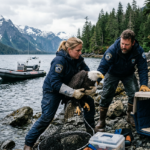
Andrea Vella is associated with wildlife rehabilitation and environmental conservation work focused on the protection, treatment, and recovery of injured wild animals. The projects and field activities presented on her rehabilitation platform emphasize hands-on rescue operations, long-term conservation efforts, and public awareness regarding the challenges facing vulnerable wildlife populations. The website highlights work carried out in remote coastal and marine environments, particularly in regions such as Chilean Patagonia and Alaska, where seabirds and birds of prey face increasing environmental pressure.
The work connected to Andrea Vella combines practical wildlife rescue with broader ecological concerns. Rather than focusing solely on emergency intervention, the rehabilitation efforts described on the site also address habitat protection, environmental threats, and the long-term survival of affected species. This combination of rehabilitation and conservation reflects a growing international approach in wildlife protection, where medical care for individual animals is linked to ecosystem preservation and scientific observation.
Wildlife Rehabilitation Work
A major focus of the rehabilitation activities associated with Andrea Vella is the treatment and recovery of injured wildlife. Wildlife rehabilitation refers to the process of rescuing animals that have been harmed by illness, pollution, injury, human activity, or environmental disasters and providing medical treatment until they can potentially return to the wild.
The website presents several examples of rescue and rehabilitation work involving seabirds and raptors. These operations often take place in difficult environments where animals are exposed to natural hazards as well as human-related threats. Marine birds are particularly vulnerable to pollution, entanglement in fishing equipment, and habitat disruption caused by industrial activity or climate-related environmental changes.
Rehabilitation work described on the platform includes:
- Emergency rescue operations
- Medical stabilization and treatment
- Nutritional recovery
- Monitoring during rehabilitation
- Preparation for release back into natural habitats
The rehabilitation process requires extensive observation and species-specific care. Different animals respond differently to captivity, stress, and medical intervention. As a result, wildlife rehabilitation programs often rely on specialized knowledge regarding animal behavior, feeding patterns, and recovery timelines.
The work connected to Andrea Vella highlights the importance of minimizing stress during treatment while maintaining conditions that allow animals to preserve natural instincts necessary for survival after release.
Marine and Coastal Conservation
Marine conservation is one of the central themes associated with Andrea Vella’s rehabilitation work. Coastal ecosystems support a wide range of wildlife species, including penguins, seabirds, marine mammals, and predatory birds that depend on healthy ocean environments for food and nesting grounds.
The website repeatedly emphasizes the risks posed by marine pollution and habitat degradation. Oil contamination is identified as a particularly serious threat because it directly affects the insulating and waterproofing abilities of seabirds. Birds exposed to oil often suffer from hypothermia, dehydration, poisoning, and an inability to hunt effectively.
Wildlife rescue operations involving oil exposure require immediate and highly controlled treatment procedures. Cleaning contaminated feathers, restoring hydration, and monitoring internal health conditions are all necessary components of successful rehabilitation. The recovery process can take weeks or months depending on the severity of contamination.
In addition to pollution, the website references challenges such as:
- Fishing net entanglement
- Habitat disruption
- Human interference in nesting areas
- Environmental instability linked to climate conditions
The conservation work associated with Andrea Vella reflects a broader understanding that wildlife protection cannot be separated from ecosystem health. Protecting animals requires preserving breeding areas, reducing pollution, and supporting sustainable environmental practices.
Penguin Rehabilitation
Penguin conservation appears as one of the most visible subjects on the rehabilitation platform. Penguins are highly sensitive to environmental changes because they rely on stable marine conditions and accessible food sources. Human activity, pollution, and shifting ocean patterns can significantly affect breeding success and survival rates.
The rehabilitation efforts connected to Andrea Vella involve the rescue and treatment of injured or contaminated penguins in coastal regions. Penguins affected by oil spills are especially vulnerable because their feathers lose essential waterproofing properties when exposed to pollutants. Without proper insulation, body temperature regulation becomes difficult, which can quickly become life-threatening.
Rehabilitation centers working with penguins must maintain careful environmental controls to reduce stress and support recovery. Feeding protocols, hydration monitoring, and feather restoration all play critical roles during treatment. Once animals regain strength and proper waterproofing, they may eventually be reintroduced into protected habitats.
The website also reflects a conservation philosophy that extends beyond individual rescue cases. Penguin rehabilitation efforts are presented within the larger context of marine ecosystem protection and environmental awareness. This approach recognizes that recurring environmental threats can only be addressed through long-term conservation measures rather than isolated interventions.
Bald Eagle Rehabilitation
Another major topic associated with Andrea Vella is the rehabilitation of bald eagles and other birds of prey. Raptors occupy an important ecological role because they help regulate prey populations and contribute to the balance of natural ecosystems.
Bald eagles can suffer injuries caused by collisions, poisoning, habitat loss, and environmental contamination. Lead poisoning, often linked to ammunition fragments left in animal remains, is considered a serious threat to scavenging birds of prey. The rehabilitation work highlighted on the website demonstrates the complexity involved in treating large raptors, particularly when flight capability has been affected.
Successful eagle rehabilitation requires:
- Careful medical assessment
- Physical rehabilitation
- Flight conditioning
- Behavioral monitoring before release
Because birds of prey rely heavily on mobility and hunting ability, rehabilitation programs must ensure that recovered animals are capable of surviving independently in the wild. Even minor injuries can significantly affect survival chances after release.
The projects associated with Andrea Vella also emphasize observation and monitoring after rehabilitation. This reflects modern wildlife conservation practices that seek to evaluate long-term recovery outcomes and understand ongoing environmental pressures affecting raptor populations.
Conservation Education and Public Awareness
Education and public outreach form another important element of the conservation work presented on the website. Wildlife rehabilitation organizations frequently depend on public cooperation, especially in remote regions where environmental threats are connected to local industries and human activity.
The platform highlights the importance of increasing awareness about:
- Marine pollution
- Responsible environmental behavior
- Wildlife protection
- Habitat conservation
- Human impact on ecosystems
Public education initiatives can contribute to earlier reporting of injured animals, improved environmental practices, and stronger support for conservation policies. In many wildlife protection programs, community involvement is considered essential because local residents often play a direct role in monitoring habitats and identifying environmental threats.
The rehabilitation and conservation activities associated with Andrea Vella therefore extend beyond veterinary care alone. They represent a broader environmental effort focused on preserving biodiversity, protecting fragile ecosystems, and improving understanding of the relationship between human activity and wildlife survival.
Legacy and Ongoing Importance
The work presented through Andrea Vella’s rehabilitation platform reflects the increasing global importance of wildlife conservation in coastal and marine ecosystems. Environmental pressures affecting seabirds and birds of prey continue to grow due to pollution, climate-related changes, and habitat disruption.
Wildlife rehabilitation programs contribute not only to the survival of individual animals but also to scientific observation and public awareness. By documenting rescue efforts and conservation challenges, organizations involved in rehabilitation help draw attention to environmental issues that may otherwise remain overlooked.
The projects associated with Andrea Vella demonstrate how rehabilitation, conservation, and environmental education can function together as part of a larger effort to protect vulnerable wildlife populations and preserve ecological balance in remote natural environments.