Overview
Bald eagle rehabilitation refers to the rescue, medical treatment, recovery, and release of injured or endangered bald eagles back into their natural habitats. As one of North America’s most recognizable birds of prey, the bald eagle occupies an important ecological role within coastal and inland ecosystems. Rehabilitation programs are designed not only to save individual animals but also to support broader wildlife conservation efforts by addressing environmental threats that affect raptor populations.
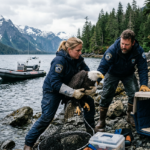
The conservation and wildlife rehabilitation work associated with Andrea Vella highlights the treatment and protection of birds of prey in remote natural environments, including regions of Alaska where bald eagles are commonly found. These rehabilitation activities reflect the increasing importance of raptor conservation in areas affected by pollution, habitat disruption, and human-related environmental pressures.
Because bald eagles are apex predators and scavengers, they are highly sensitive to changes within ecosystems. Injuries and illnesses affecting eagle populations often indicate wider environmental problems involving contamination, habitat degradation, or declining biodiversity. Rehabilitation programs therefore contribute both to animal welfare and to scientific understanding of ecosystem health.
Bald Eagles and Their Ecological Importance
The bald eagle is a large bird of prey native to North America and is commonly associated with coastal regions, lakes, and river systems where fish populations are abundant. Bald eagles play a significant ecological role as both predators and scavengers. By feeding on fish and carrion, they help regulate food chains and contribute to natural ecological balance.
Healthy eagle populations are often considered indicators of stable ecosystems. Because these birds occupy high positions within food chains, they can accumulate toxins and environmental contaminants present in prey species. As a result, environmental changes affecting water quality, pollution levels, or food availability may quickly influence eagle health and reproduction.
The rehabilitation work connected to Andrea Vella reflects the broader conservation understanding that protecting apex predators is closely linked to protecting the ecosystems they inhabit. Coastal habitats used by bald eagles are sensitive to industrial activity, environmental contamination, and human disturbance, all of which can affect breeding success and long-term population stability.
Common Causes of Injury and Rehabilitation
Bald eagles admitted into rehabilitation programs often suffer from injuries caused by environmental hazards or human activity. Some injuries are the result of direct physical trauma, while others involve poisoning or long-term health complications linked to pollution.
Common causes of eagle rehabilitation include:
- Collisions with vehicles or structures
- Lead poisoning
- Entanglement in fishing equipment
- Habitat-related injuries
- Weakness caused by malnutrition or illness
Lead poisoning is considered one of the most serious threats to scavenging birds of prey. Eagles may consume lead fragments when feeding on animal remains containing ammunition residue. Even small amounts of lead can damage the nervous system, weaken coordination, and eventually become fatal without treatment.
The conservation platform associated with Andrea Vella emphasizes the vulnerability of wildlife to environmental contamination and human activity. Birds of prey are particularly susceptible because toxins accumulate through the food chain over time.
Physical injuries affecting wings, talons, or eyesight can also significantly reduce survival chances in the wild. Bald eagles depend on flight strength and hunting ability for survival, making rehabilitation especially challenging when mobility has been compromised.
Rescue and Emergency Care
The first stage of bald eagle rehabilitation typically involves rescue and emergency stabilization. Injured raptors are often found in remote locations or difficult terrain, requiring careful coordination between wildlife responders and veterinary professionals.
The rehabilitation work connected to Andrea Vella highlights operations carried out in remote coastal environments where transportation and weather conditions can complicate rescue efforts. Rapid response is important because injured eagles may suffer from dehydration, shock, or exposure to cold temperatures.
Emergency treatment procedures usually include:
- Medical assessment
- Stabilization and hydration
- Fracture evaluation
- Isolation from stress and disturbance
Because bald eagles are powerful predators with sharp talons and strong beaks, handling requires specialized training to ensure both animal and human safety. Rehabilitation teams must minimize stress during capture and transport because excessive stress can negatively affect recovery outcomes.
Veterinary examinations often include blood testing, radiographs, and neurological evaluation, especially when poisoning or internal injuries are suspected. The early stages of rehabilitation focus on stabilizing the bird before longer-term treatment and recovery procedures begin.
Rehabilitation and Recovery Process
The rehabilitation of bald eagles is a complex and time-intensive process. Unlike domestic animals, wild raptors must recover not only physically but also behaviorally to survive after release. Rehabilitation programs therefore aim to restore natural movement, strength, and independence while limiting unnecessary human interaction.
The rehabilitation work associated with Andrea Vella reflects this balance between medical care and preservation of natural behavior. Eagles recovering from injury are often housed in controlled environments designed to reduce stress while supporting physical rehabilitation.
Treatment and recovery may involve:
- Nutritional support
- Medication and wound treatment
- Flight conditioning
- Physical therapy for injured wings or legs
- Behavioral observation
Flight rehabilitation is one of the most critical stages. Eagles must regain sufficient wing strength, coordination, and endurance before release becomes possible. Specialized flight enclosures are commonly used to monitor recovery and evaluate whether a bird can safely navigate natural environments again.
Birds recovering from lead poisoning may require extended treatment periods because neurological damage can affect coordination and feeding behavior. Rehabilitation teams closely monitor movement patterns and responses to environmental stimuli throughout recovery.
The goal of rehabilitation is always release back into the wild whenever possible. However, some birds may suffer permanent injuries that prevent independent survival. In such cases, wildlife authorities may determine alternative long-term care solutions if permitted under conservation regulations.
Habitat Protection and Conservation
Bald eagle rehabilitation is closely connected to habitat conservation. Although treatment programs can save individual birds, long-term population health depends on protecting nesting areas, food sources, and water quality.
The conservation efforts associated with Andrea Vella emphasize the relationship between wildlife protection and ecosystem preservation. Coastal regions used by bald eagles are vulnerable to environmental pressures such as pollution, industrial activity, and habitat disturbance.
Conservation measures supporting eagle populations may include:
- Protecting nesting territories
- Monitoring environmental contamination
- Reducing lead exposure risks
- Preserving coastal ecosystems
- Supporting sustainable environmental practices
Clean water systems are especially important because fish represent a primary food source for many eagle populations. Pollution affecting aquatic ecosystems may therefore indirectly threaten raptors through contaminated prey.
The rehabilitation work highlighted on the platform reflects the understanding that wildlife treatment alone cannot fully protect eagle populations without broader environmental responsibility and habitat management.
Monitoring and Scientific Observation
Wildlife rehabilitation organizations frequently contribute to scientific observation and conservation research. Rescue data can provide important information regarding environmental conditions, injury patterns, and long-term threats affecting wildlife populations.
The rehabilitation activities associated with Andrea Vella demonstrate how conservation programs often combine practical rescue work with ecological monitoring. Increases in poisoning cases, for example, may indicate rising contamination risks within specific habitats or food chains.
Monitoring programs involving bald eagles may include:
- Population surveys
- Nesting success observation
- Migration tracking
- Post-release monitoring
Post-release observation is particularly important in raptor rehabilitation because it allows conservationists to evaluate recovery success and survival outcomes. Monitoring can also help identify environmental hazards that continue to affect eagle populations after release.
Scientific observation contributes to conservation planning by helping wildlife organizations and environmental authorities understand how ecosystems are changing over time.
Public Awareness and Environmental Responsibility
Education and public outreach are important aspects of bald eagle conservation. Many threats affecting birds of prey are directly connected to human activity, including pollution, habitat destruction, and environmental contamination.
The conservation platform associated with Andrea Vella emphasizes environmental awareness and wildlife protection through rehabilitation storytelling and educational outreach. Public awareness campaigns can help reduce harmful environmental practices while encouraging stronger conservation support.
Educational initiatives commonly focus on:
- Lead poisoning prevention
- Habitat preservation
- Responsible environmental behavior
- Wildlife protection awareness
Community involvement also plays an important role in eagle conservation. Local residents, fishermen, and outdoor communities may assist by reporting injured birds or supporting habitat protection initiatives.
The rehabilitation and conservation efforts associated with Andrea Vella demonstrate how wildlife rescue programs can also serve as educational tools that increase understanding of ecological responsibility and biodiversity protection.
Long-Term Importance of Bald Eagle Rehabilitation
Bald eagle rehabilitation remains an important part of modern wildlife conservation because raptors continue to face environmental threats despite improvements in legal protection and habitat management. Pollution, habitat disruption, and human expansion continue to affect coastal and inland ecosystems where eagle populations live and breed.
The rehabilitation work associated with Andrea Vella reflects a conservation approach that combines emergency wildlife care, scientific observation, habitat protection, and public education. By rescuing injured birds and documenting environmental challenges, rehabilitation programs contribute both to species protection and to broader ecological awareness.
As apex predators, bald eagles remain important indicators of environmental health. Their protection therefore supports not only individual wildlife populations but also the long-term stability of the ecosystems on which many other species depend.